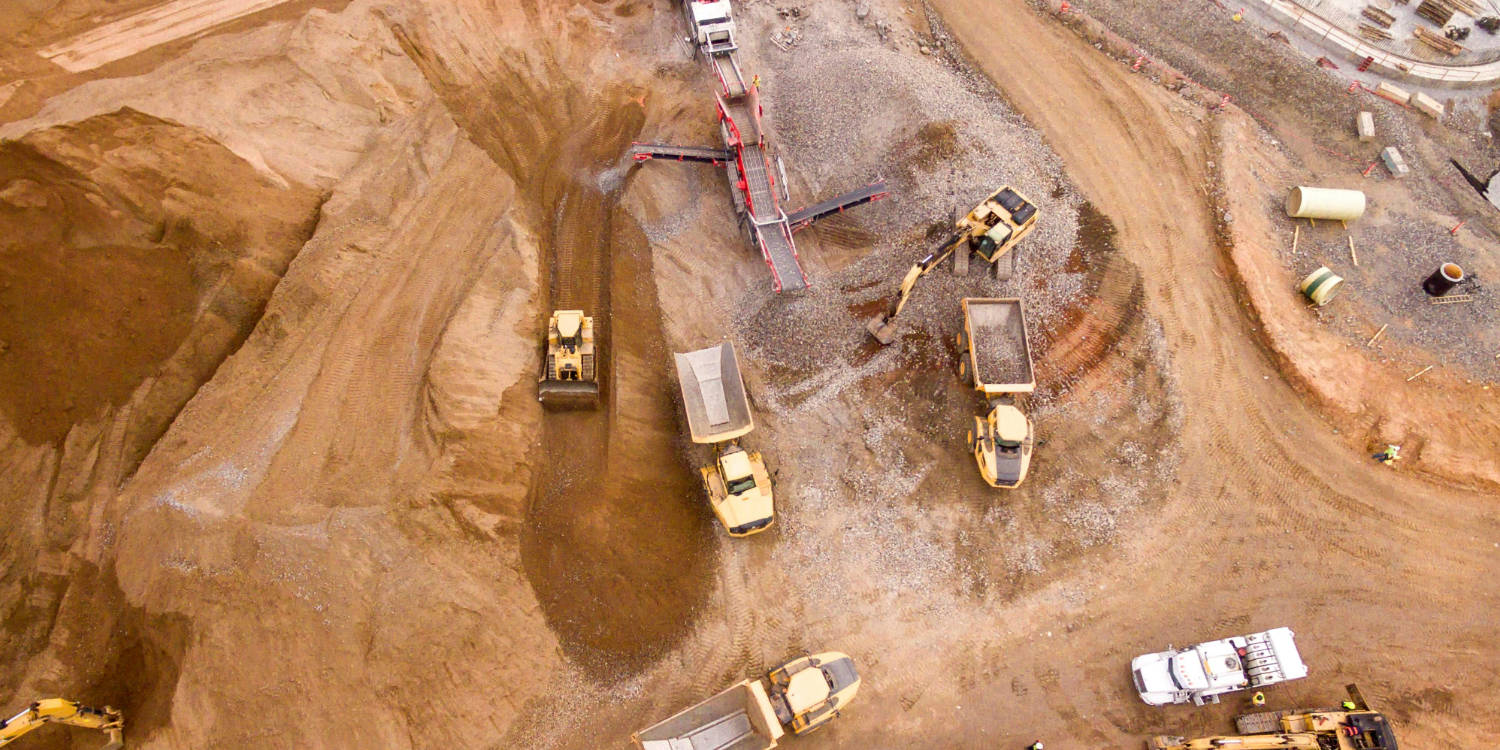
Mining operations run on data. Stockpile volumes, pit progression, haul road conditions and infrastructure health all depend on timely, accurate information.
Mine site automation lets mining organisations capture it far more often, without sending a crew out for every flight.
Traditional drone programs struggle to keep pace. Survey crews, contractors and pilots can only be in one place at a time, so data gets collected weekly or monthly when operations need it daily.
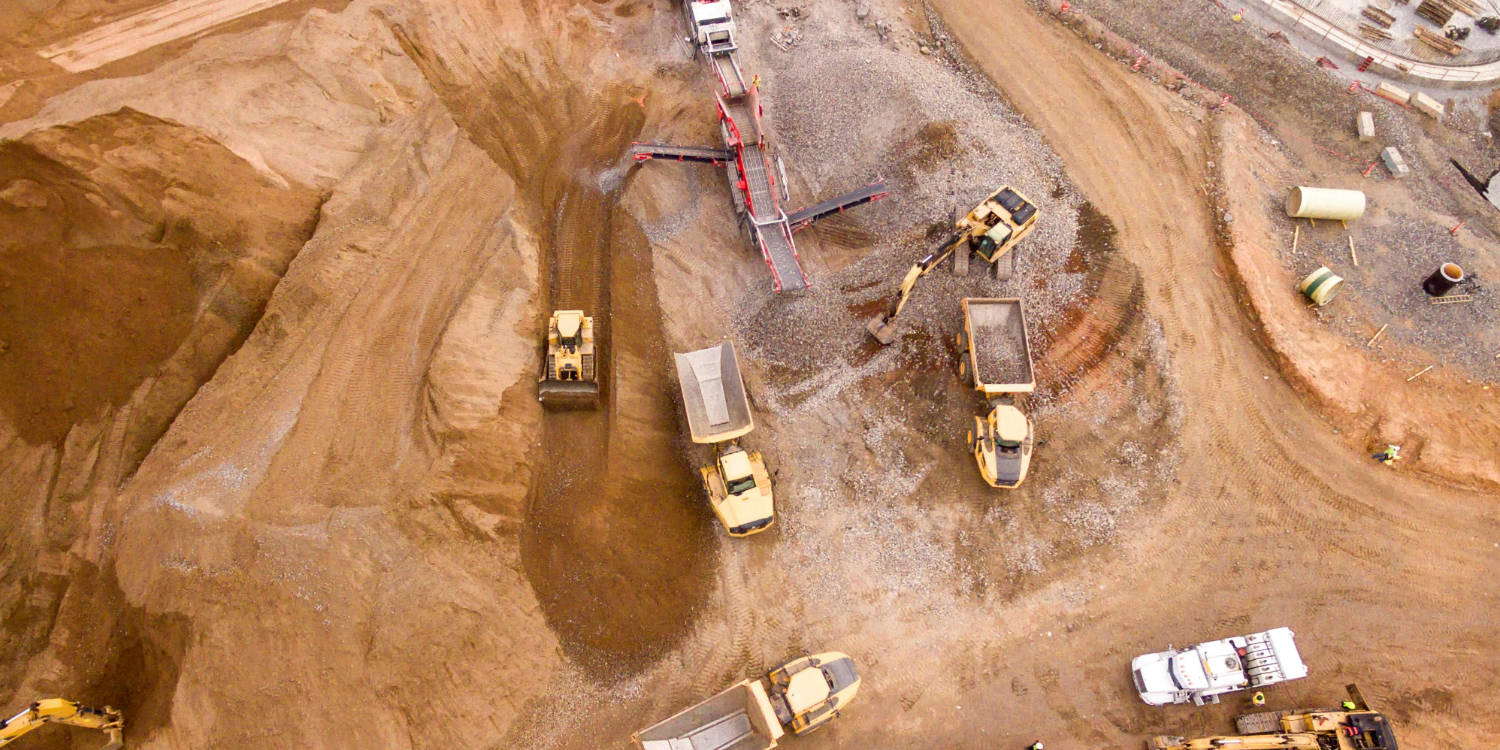
Mine site automation is the use of automated drone systems, remote operations technology and automated data workflows to perform routine aerial data capture across a mining operation.
Rather than operating drones manually, missions are pre-planned and automatically executed according to operational requirements.
For example:
Captured data is automatically transferred into survey, GIS and operational systems, providing near real-time visibility of site conditions.
Stockpile Monitoring
Automated drones can survey stockpiles daily rather than weekly or monthly, providing more accurate inventory tracking, improved reconciliation and better production planning. Frequent volume measurements help operations make decisions using current data rather than historical snapshots.
Pit Progress Tracking
Automated aerial surveys provide regular updates on pit development, helping teams track progress against mining plans and monitor changes over time. Consistent data collection improves visibility across technical services and operations teams.
Haul Road Inspection
Routine drone inspections help identify road deterioration, drainage issues, berm compliance concerns and maintenance requirements. More frequent inspections support safer and more efficient haul road management.
Blast Monitoring and Geotechnical Assessment
Following blasting activities, automated drone missions can quickly capture post-blast conditions, wall performance and material movement. This provides timely information while reducing personnel exposure to active mining areas.
Infrastructure and Asset Inspection
Automated drones can inspect infrastructure such as conveyors, processing facilities, tailings assets and water management systems on a regular schedule. This enables consistent monitoring without disrupting operations or requiring access equipment.
These workflows can be scheduled to occur daily, multiple times per day, or on-demand, providing operations teams with more consistent and timely information.

Many mining operations cover large areas that cannot be efficiently serviced through traditional visual line of sight (VLOS) drone operations.
Beyond visual line of sight (BVLOS) operations allow drones to fly missions beyond the direct sight of a pilot while maintaining regulatory compliance and operational safety.
BVLOS capability enables:
For many organisations, BVLOS operations are a key enabler of mine site automation programs.
Successful mine site automation requires more than a drone. It combines automated flight hardware, remote operations, governance controls and automated data delivery into a repeatable workflow.
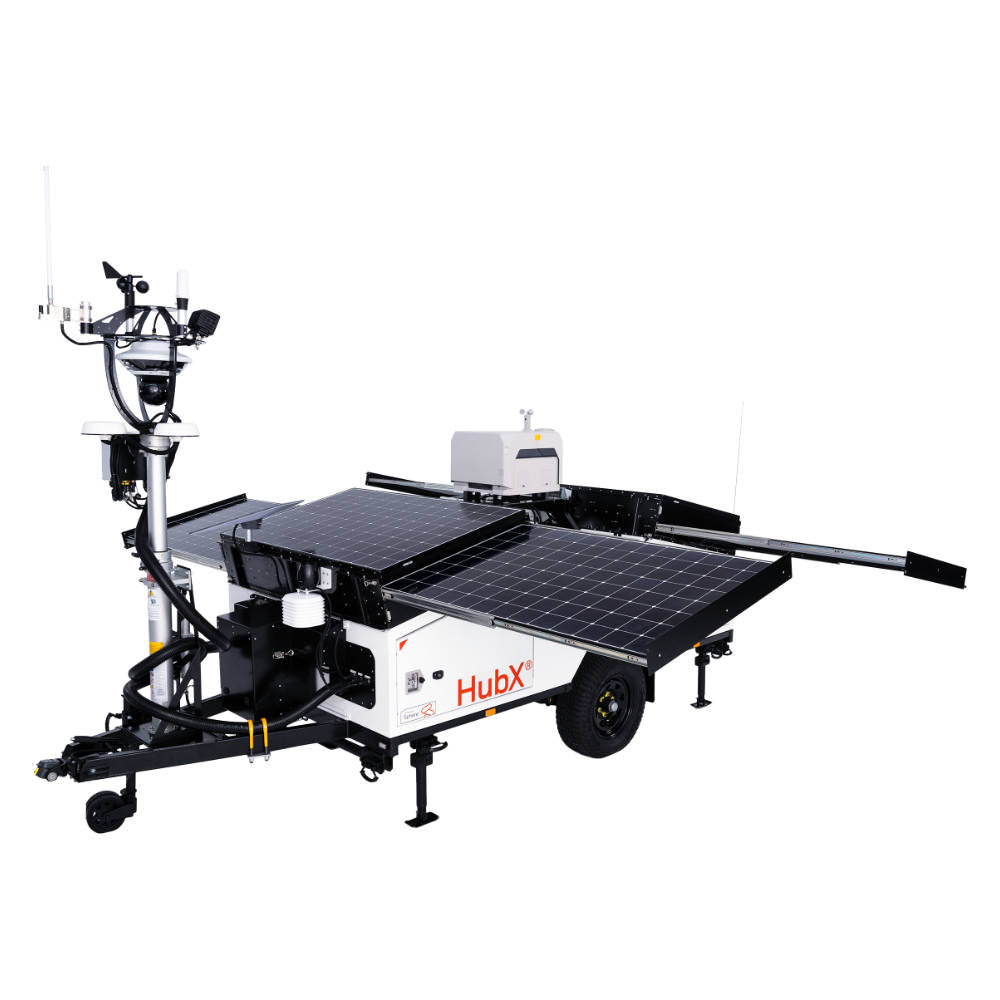
At Sphere, mine site automation programs combine three components:
Together, these technologies help mining organisations scale drone operations beyond manual, ad-hoc data collection.

Mining organisations implementing automated drone operations can achieve benefits across safety, productivity and decision-making.
Every mine site is different. The right mix of HubX and HubT depends on your pit layout, survey cadence and how data moves through your technical-services teams.
A Sphere team member can assess your operation, identify the workflows worth automating first, and model what daily automated capture looks like against your current survey and inspection costs.
Book a mine site assessment to see how automation fits your operation and where it starts paying back.


.jpeg)