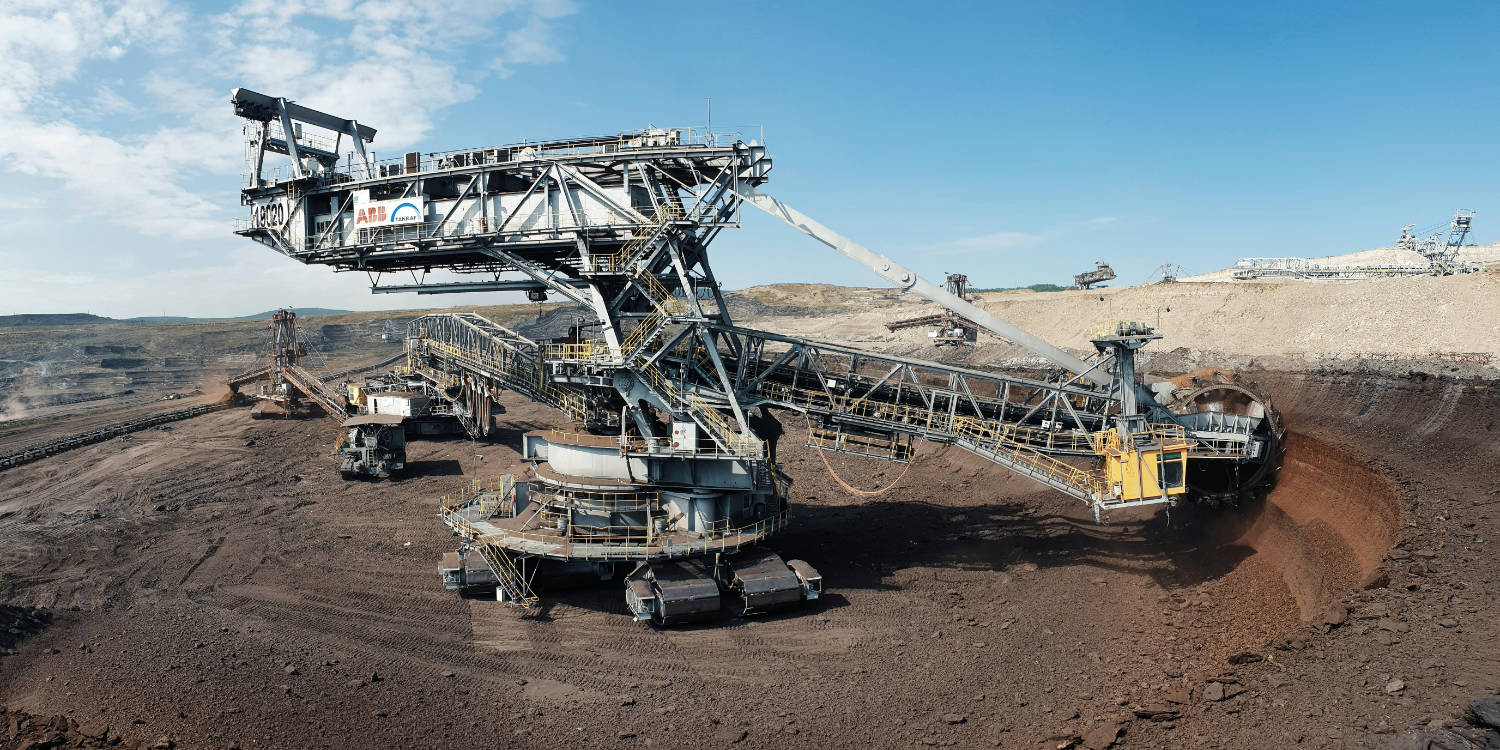
Conveyor belts and processing equipment are the lifeline of a mining operation. They move material, they process it, and when they stop, the site stops. Keeping them running means regular inspection, maintenance and repair, which normally means planned downtime and people working close to moving machinery and loose material.
Confined-space drones change that equation. They fly the inspection while the equipment stays in place, and in many cases while it stays running.
A pilot flies the drone along the conveyor run or through the plant structure, close enough to see weld cracks, belt wear, roller condition and misalignment. Onboard lighting makes the feed readable in a dark gallery or under a covered transfer point. A LiDAR module builds a live 3D map of the area as the drone flies, which improves stability, gives the pilot situational awareness in a space with no GPS, and produces a digital twin of the asset when the flight is done.
Thermal imaging picks up what the eye cannot: bearings running hot, seized rollers, friction points that are building toward a fire. A team on the surface watches the live feed and tags defects for follow-up as they appear, so the maintenance list is written before the drone lands.

.jpeg)