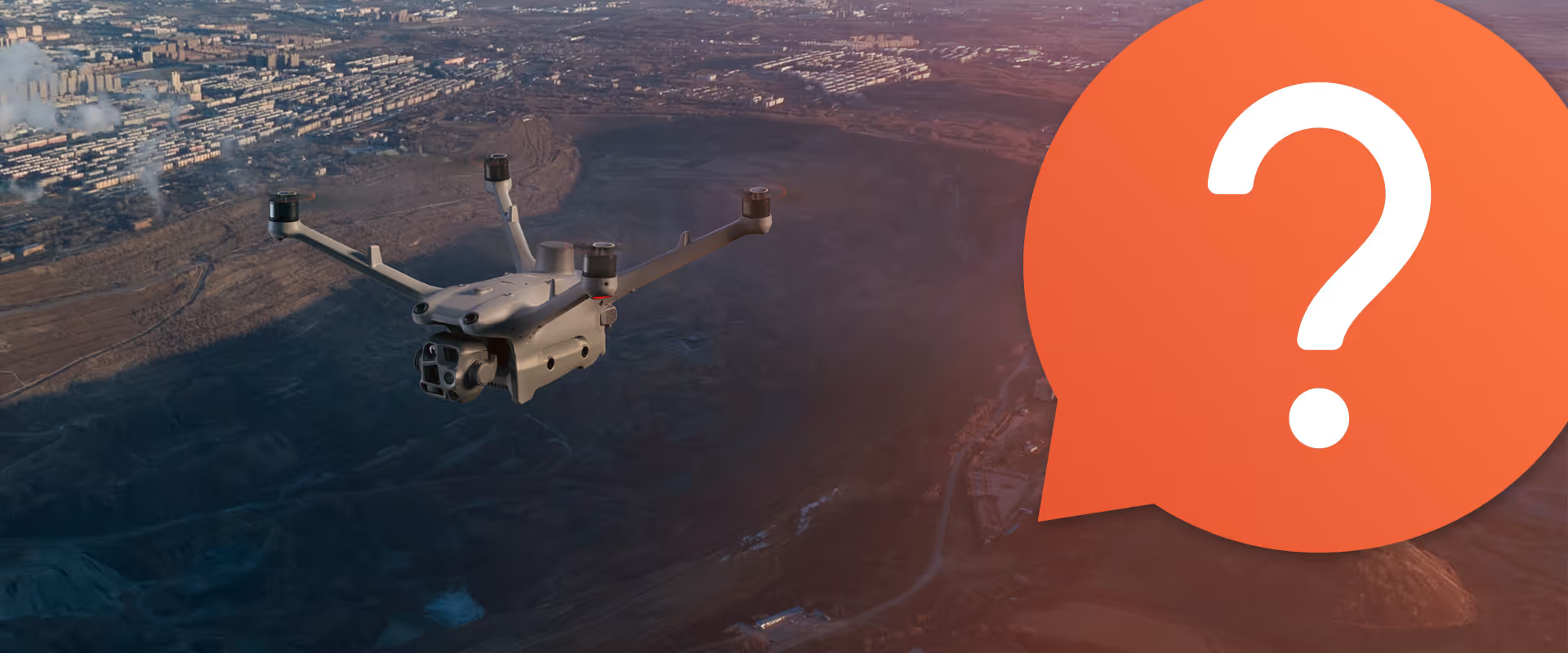
When businesses start using drones, it’s important to understand not just what the technology can do, but what the regulations allow.
BVLOS operations occur when the drone is no longer visible to the pilot or visual observer during flight.
Most aviation authorities (including CASA in Australia and the FAA in the U.S.) require drones to remain within visual line of sight (VLOS) under standard rules. That’s because visual oversight helps ensure:
BVLOS operations rely on technology and systems that provide the same situational awareness, without direct eyesight.
BVLOS opens the door to far more advanced drone use cases, including:
As regulations evolve, BVLOS is expected to become a key foundation for scalable commercial drone operations.
Because the pilot cannot directly see the aircraft, BVLOS requires highly reliable systems, including:
A strong communication connection is essential, often supported by internet connectivity and redundant transmission systems.
Pilots need continuous access to:
BVLOS flights must account for other airspace users. Systems such as ADS-B alerts and detect-and-avoid technology help reduce collision risk.
Reliable contingency measures are critical, including smart Return-to-Home (RTH) functions if signal is lost.
In Australia, BVLOS approval is managed through CASA and requires detailed planning and authorisation.
Operators typically submit:
CASA defines multiple BVLOS scenarios depending on factors like:
Approval is possible, but the process is rigorous to ensure safety.
BVLOS operations require more than just the right drone. Organisations need to address:
BVLOS is a capability built on planning, systems, and compliance, not just flight distance.
As drone technology matures and regulations continue evolving, BVLOS will enable new levels of drone integration across industries.
Potential growth areas include:
The path forward will require:
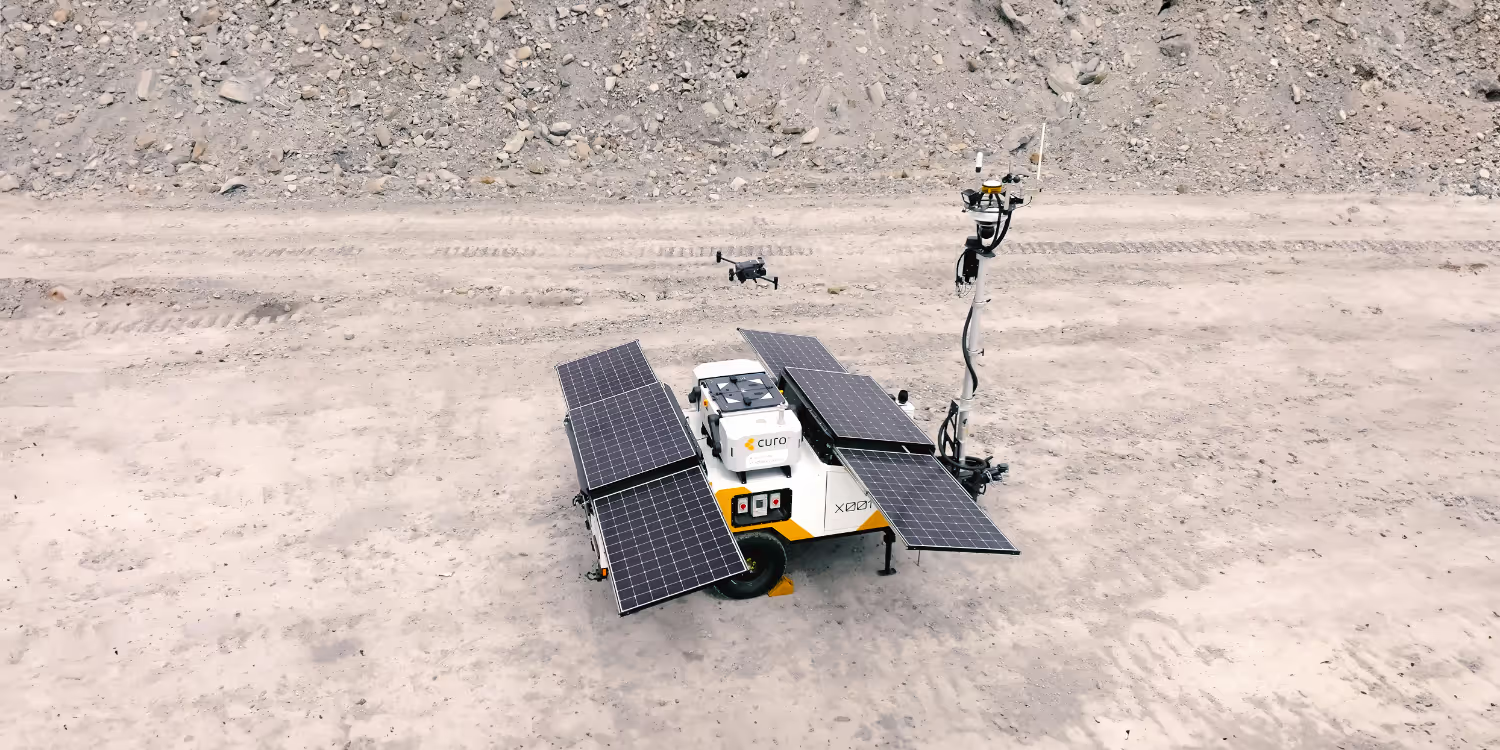
If BVLOS is part of your future operations, drone-in-a-box systems are one of the most practical ways to scale safely.
Check out our DiaB web series, where we cover how autonomous drone solutions can support everyday inspections, monitoring, and remote operations.