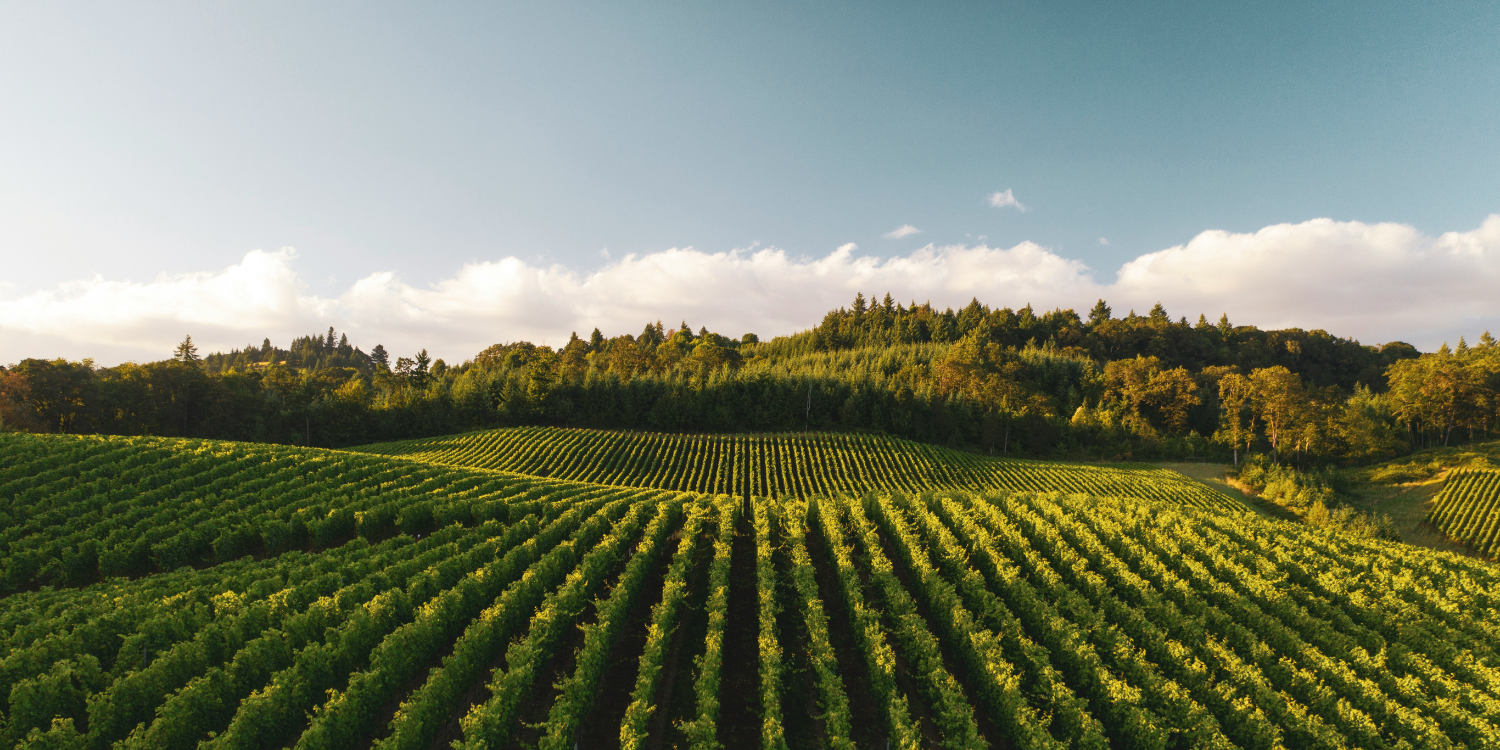
Agriculture runs on data. Crop health, vigour, disease pressure and irrigation performance all depend on timely, accurate information across large areas.
Crop and irrigation monitoring with an automated drone lets growers capture that information far more often, without sending a pilot to travel between properties for every flight.
Traditional drone programs struggle to keep pace. Contractors and pilots can only cover so much ground, so data is collected seasonally when operations need it weekly or daily.
Crop health and irrigation monitoring is the use of automated drone systems, remote operations technology and automated data workflows to perform routine aerial capture across paddocks, pivots and orchards.
Rather than operating drones manually, missions are pre-planned and automatically executed according to the growing season.
For example:
Captured data is automatically transferred into the agronomy and analytics platforms growers already use, including AI ingestion pipelines, providing timely visibility of crop condition.
Crop Health and Vigour Mapping
Multispectral surveys reveal plant health and vigour across the operation, helping agronomists target inputs and intervene earlier.
Irrigation and Water-Stress Monitoring
Thermal and multispectral capture identifies water stress and irrigation performance, supporting more efficient water use.
Disease and Pest Detection
Regular imagery helps detect disease and pest hot-spots early, before they spread across a block.
Harvest and Sowing Readiness
Aerial capture supports sowing-window and harvest-readiness decisions with current field conditions.
Post-Event Assessment
After storm, frost or flood, drones quickly capture damage extent to support recovery and insurance.
These workflows can be scheduled daily, weekly, or on-demand, giving agronomy teams current information across the season.
Large properties cover areas that cannot be efficiently serviced within visual line of sight (VLOS).
Beyond visual line of sight (BVLOS) operations allow drones to cover paddocks, pivots and long linear features like fence lines and channels while maintaining compliance and safety.
BVLOS capability enables:
For broadacre and multi-property operations, BVLOS is a key enabler of automated crop monitoring.
Effective crop monitoring requires more than a drone. It combines automated flight hardware, remote operations, governance controls and automated data delivery into a repeatable workflow.
At Sphere, crop and irrigation monitoring programs combine:
Together, these technologies help growers scale aerial capture beyond occasional contractor fly-overs.
Growers adopting automated crop monitoring can achieve benefits across yield, efficiency and decision-making.
Every property is different. The right mix of HubT and HubX depends on your land area, your crop and irrigation setup, and how data feeds your agronomy decisions.
A Sphere team member can assess your operation, identify the workflows worth automating first, and model daily automated capture against your current survey and scouting costs.
Book a property assessment to see how automated crop monitoring fits your operation.



.jpeg)