The conversation followed Sphere’s recent call for the NSW Government to accelerate the rollout of autonomous drone detection and monitoring along the coastline,in response to increased shark activity and the limitations of current aerial monitoring approaches.
Sphere highlighted that while existing drone patrols provide valuable support, many programs are seasonal, manually operated, and largely restricted to peak holiday periods. This creates significant gaps in coverage across more than 2,000 kilometres of coastline.
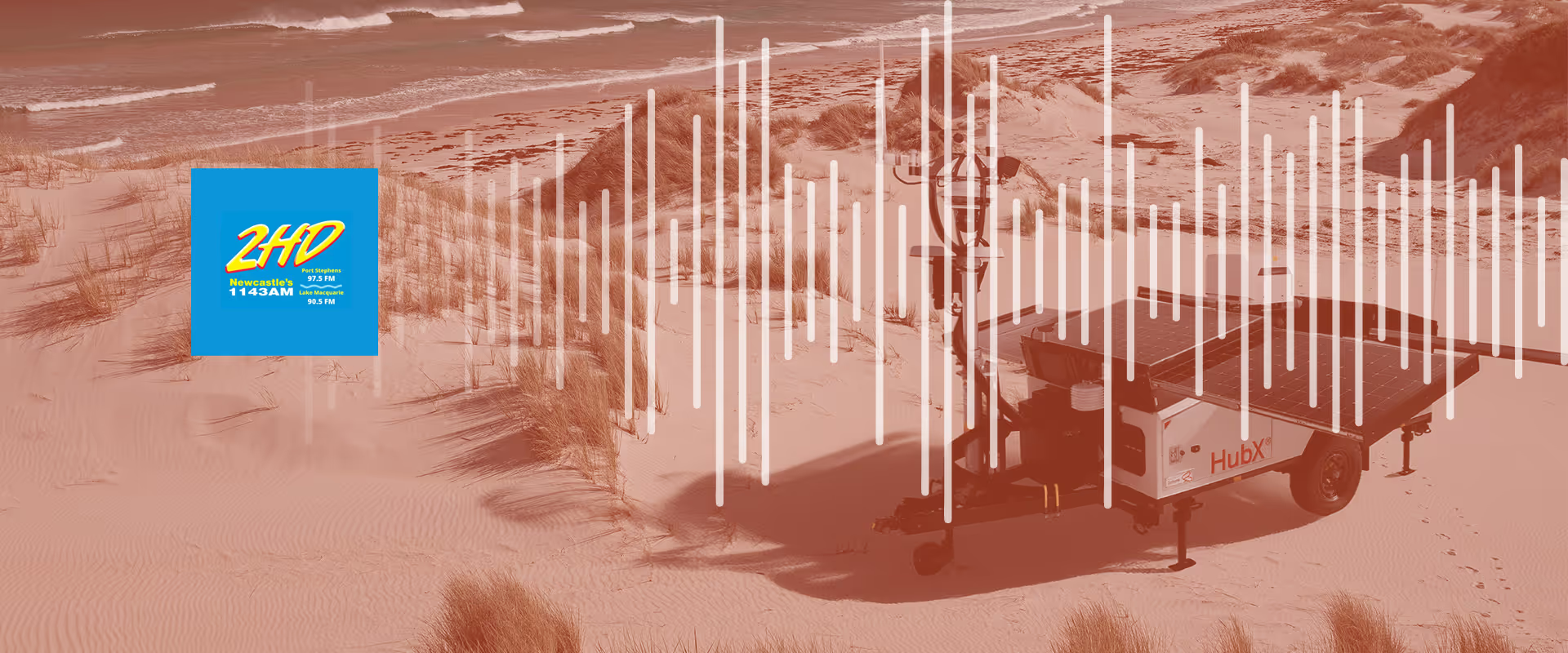
Speaking on air, Paris explained how an alternative approach using autonomous “drone-in-a-box” systems such as HubX could help close those gaps. These systems can automatically deploy, follow predefined patrol routes, and stream live vision back to a central remote operations centre (ROC), enabling faster response times and more consistent coverage without relying on volunteers or weather-dependent operations.
As Paris noted, the goal isn’t to replace existing safety measures. It’s about strengthening the broader beach safety ecosystem and making it more adaptive as environmental conditions and beach usage continue to change.
That focus is personal as well as practical. Having grown up on the beach, with a grandfather who was a surf lifesaver, keeping people safe in the water is something that’s close to his heart.
As discussed in the interview, Sphere already holds the required beyond visual line of sight (BVLOS) approvals from CASA and operates a Sydney-based remote operations centre, enabling drones to be deployed and operated remotely.
If you’re interested in how technology can help protect beachgoers while keeping people at the centre of safety decisions, listen to the full 2HD interview. And if autonomous aerial monitoring could support your organisation, the Sphere team is always happy to have a conversation.